How to Choose Phone Holder Models for a Desk: Wood, Silicone, Plush
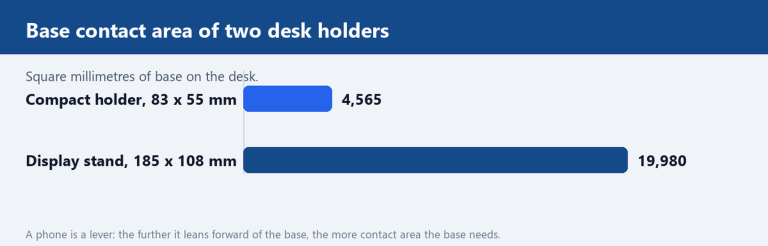
Three materials, three channels, and one failure mode that decides the return rate: a base that tips when the charging cable is pulled.

Three materials, three channels, and one failure mode that decides the return rate: a base that tips when the charging cable is pulled.
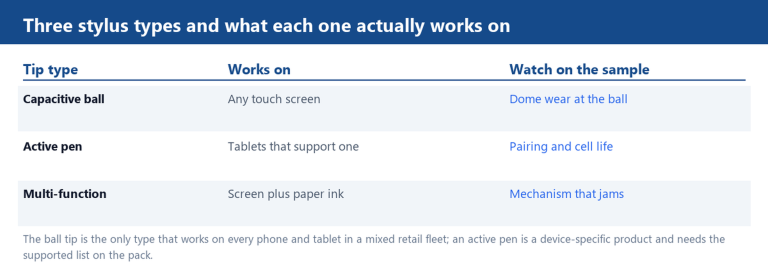
A retail buying guide to stylus pens: which tip type suits which device fleet, why a 1/2 inch barrel fits a case slot and a 5/8 inch one does not, and the sample checks that predict sell-through.
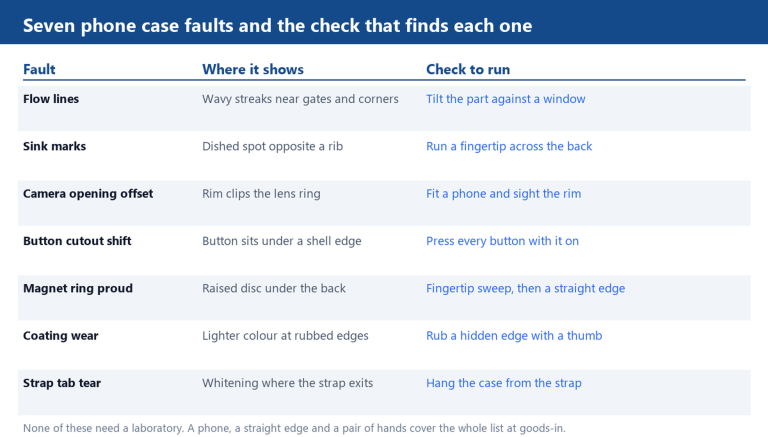
Most bulk phone case complaints trace to seven faults, and none of them need a laboratory to find. Here is where each one shows and what to do at goods-in.
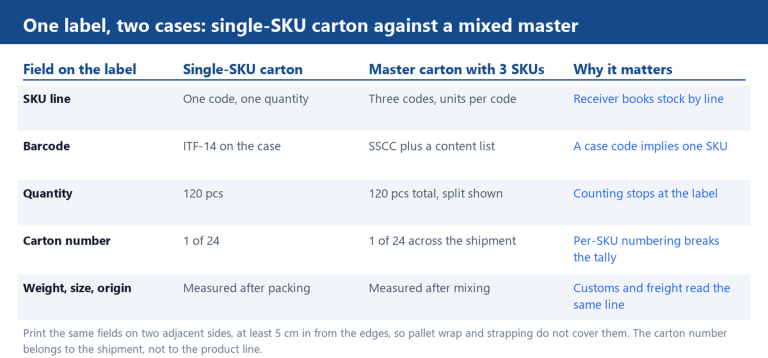
Three lighting lines on one order change the carton, the label and the paperwork. Carton multiples, mixed master cartons, barcodes and the cell declaration in one pass.
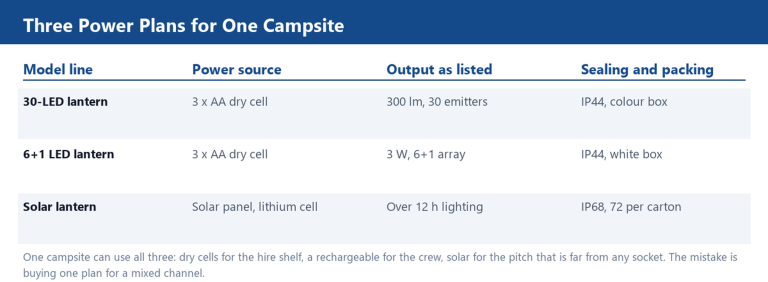
How to buy camping lanterns by power plan: dry cell against rechargeable against solar, and the packing and reorder clauses that follow.
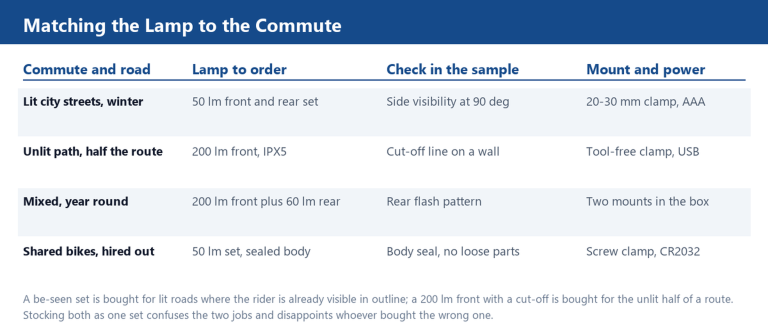
A buyer guide to commuter bike lights: separating being seen from seeing, choosing front output with a cut-off, and the rear pattern, cell and clamp details that last.
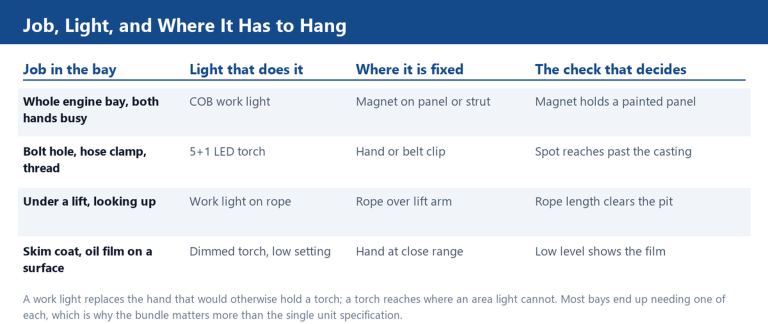
A buyer guide to workshop lighting: why a fixed COB work light and a carried 5+1 torch answer different questions, how magnet and rope holding behaves, where dimming and body rating decide returns, and how to stock both in two SKUs.
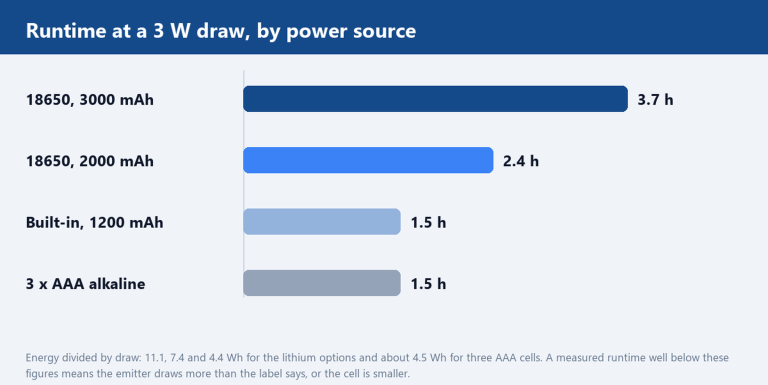
How to balance mains, solar and battery lighting in one container: the ratio, the packaging choice per channel, and the sample checks before mixing the load.
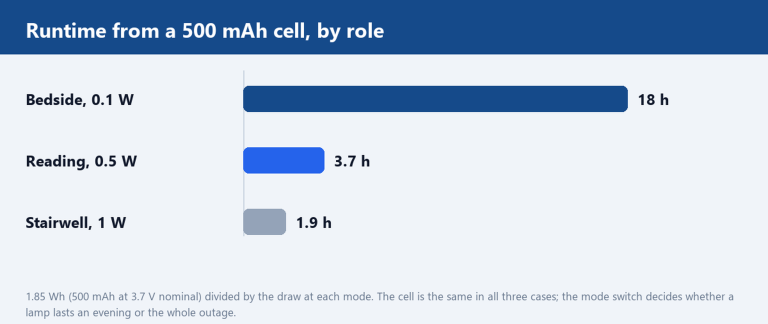
Why one bright lantern is the wrong answer to a power cut, and how three modest lamps matched to three rooms cover a house for a whole night.
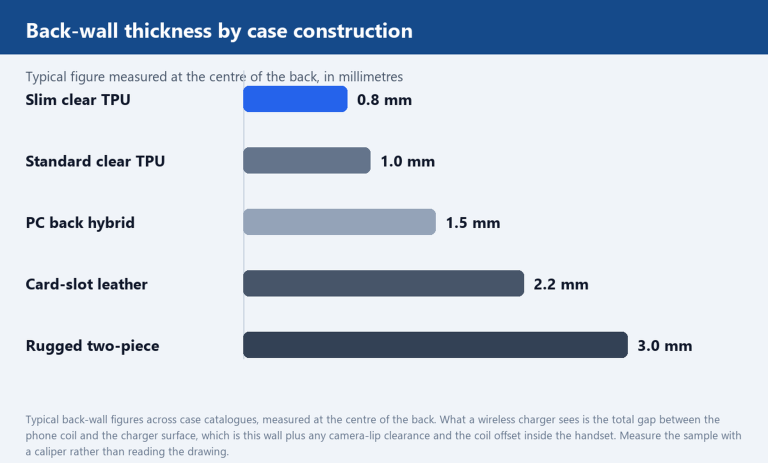
Yellowing, slick edges and dropped charging connections all start at the sample stage. Here is what drives each one and the five checks that settle them on a real unit.